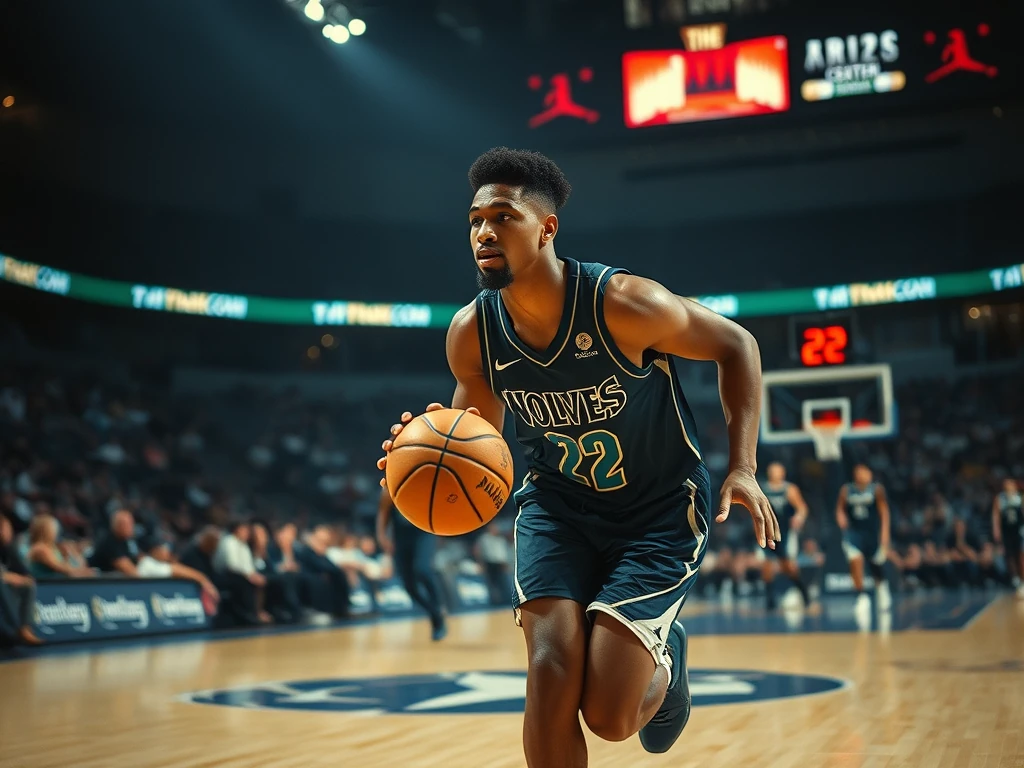

The Minnesota Timberwolves find themselves at a crossroads in the current NBA landscape, where flopping has become an accepted strategy for many teams. As players like James Harden and LeBron James push the boundaries of this tactic, the question arises: should the Timberwolves adopt a similar approach? Embracing flopping could be seen as a protest against a game that many believe has strayed from its roots, but it also poses risks that could impact team chemistry and fan perception.
The Current State of Flopping in the NBA
Flopping in basketball has evolved into a controversial tactic, often drawing ire from traditionalists who argue it undermines the integrity of the game. Players have become adept at exaggerating contact to draw fouls, leading to a rise in free throw attempts across the league. According to recent statistics, the NBA averaged approximately 20.8 free throws per game in the 2022-2023 season, a number that has steadily increased over the past decade.
The Timberwolves, under the guidance of head coach Chris Finch, have been working on their defensive strategy to limit fouls, but with flopping becoming more prevalent, they might consider using it to their advantage. By imitating the tactics employed by players like Kyrie Irving and Damian Lillard, who often draw fouls through clever positioning and minimal contact, the Timberwolves could benefit from increased scoring opportunities.
Tactical Breakdown: How Flopping Could Work
Incorporating flopping into the Timberwolves' strategy requires a nuanced understanding of officiating and player behavior. Here are some tactical considerations:
- Defensive Schemes: The Timberwolves could employ schemes that encourage players to position themselves strategically to draw contact while flopping. This would allow them to capitalize on opponents' aggression. - Training Regimen: Players like Karl-Anthony Towns and Anthony Edwards could benefit from specific training focused on the art of flopping without risking injury. This would involve understanding body mechanics and timing. - Game Situations: Identifying key moments during games when flopping could be most effective, such as during critical plays in the fourth quarter or against teams known for aggressive drives. - Referee Relationships: Building rapport with officials could lead to a better understanding of how flopping is perceived, potentially leading to more favorable calls for the Timberwolves.
If executed correctly, flopping could serve as a tool for the Timberwolves to manipulate the game’s flow, but it carries inherent risks. Misjudgment could lead to frustration not only within the team but also among fans who value sportsmanship.
What It Means for Minnesota Timberwolves
For the Timberwolves, the decision to embrace flopping would carry significant implications. On one hand, the team could find themselves on the receiving end of crucial calls that change game outcomes, potentially leading to a better playoff position. On the other hand, embracing such tactics could alienate a fan base that prides itself on integrity and hard work. If the Timberwolves opt to go down this route, they must ensure that it doesn’t compromise their identity as a team.
Moreover, fans are keenly aware of how flopping can affect the emotional tone of a game. Timberwolves supporter culture heavily emphasizes grit and resilience, traits embodied by players who fight for every point without resorting to theatrics. This could create friction between players and fans if flopping becomes a focal point of their strategy.
The Wider Championship Picture
The NBA's landscape is shifting, with teams increasingly adopting flopping as part of their strategy. This trend raises questions about the overall competitive balance of the league. Teams that effectively utilize flopping can gain an edge, impacting matchups in the playoffs. For instance, the Phoenix Suns and their reliance on drawing fouls has proven effective against teams that struggle to adapt.
Furthermore, as the Timberwolves look to contend for a championship, understanding how to navigate the flopping culture will be crucial. Teams like the Golden State Warriors and Boston Celtics have mastered the art of drawing fouls, and their success often hinges on exploiting defensive lapses created by flopping. The Timberwolves must weigh their options carefully to ensure they remain competitive without compromising their core values.
Fan Reaction and Outlook
Fan reactions to the idea of the Timberwolves embracing flopping are likely to be mixed. Many loyal supporters appreciate the physicality and effort that goes into each game, while others might find flopping an acceptable means to an end. The emotional investment fans have in the team’s integrity could lead to backlash if the players are perceived as lacking authenticity.
Key points of contention among fans might include: - Integrity vs. Winning: Is winning at all costs worth sacrificing the team’s integrity? - Entertainment Value: Does flopping detract from the excitement of the game? - Player Development: Are young players being taught the right lessons about the game?
Ultimately, the Timberwolves must consider their fan base's values. Engaging with supporters through discussions and community events can help gauge sentiment and foster a sense of unity as they navigate this complex issue.