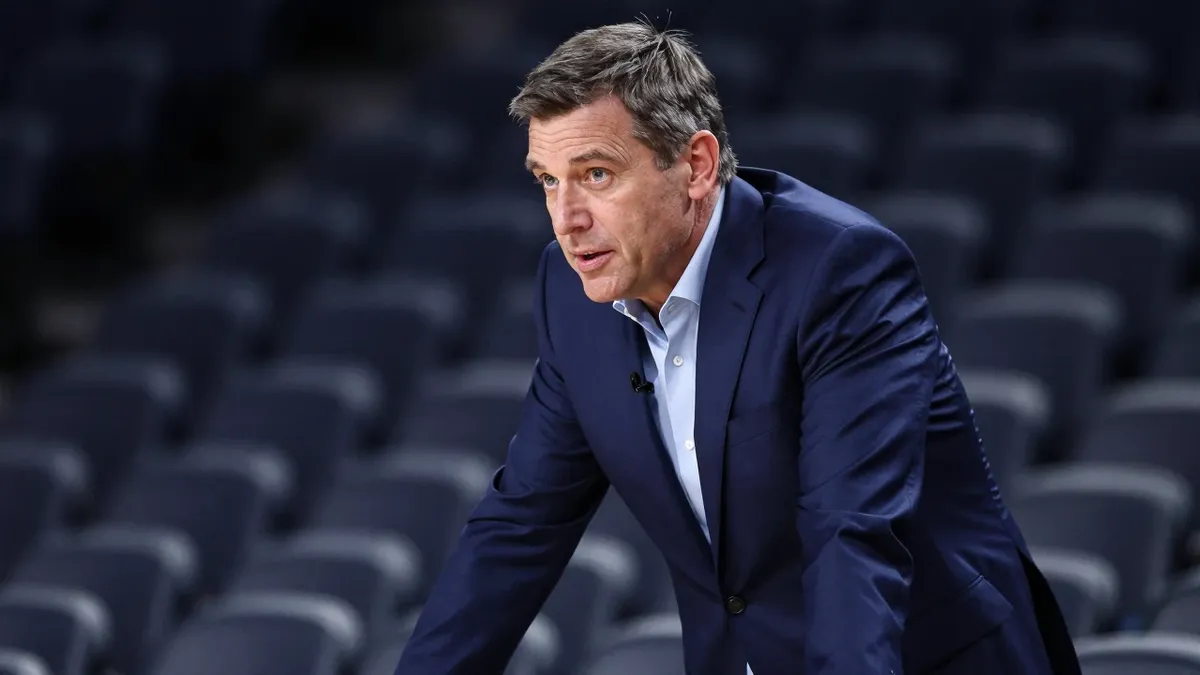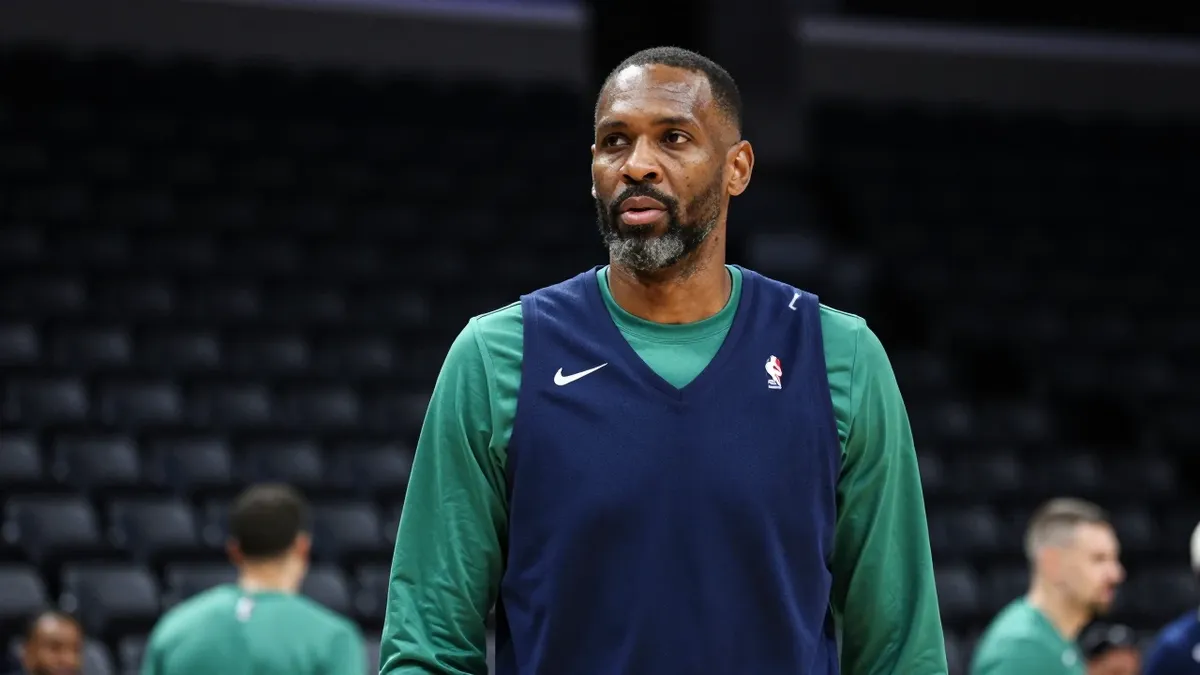
The Minnesota Timberwolves are embroiled in a financial and operational dispute with team ownership over the condition and funding of Target Center renovations, according to ESPN analyst Brian Windhorst. This internal tension surfaces as the team's on-court performance has faltered. Windhorst detailed that the franchise has been "losing enormous sums of money" for years, creating a challenging economic environment that limits their leverage in seeking further private investment for the arena.
What is the core financial problem for the Timberwolves?
Brian Windhorst explained the central issue on a recent podcast, later shared by JayTakes on social media. He stated the Timberwolves have been consistently unprofitable. The problem is compounded by a previous public-funded renovation at Target Center about five years ago. That project, Windhorst argued, failed to significantly improve the venue's standing. "It went from being a bottom five arena to a bottom five arena," he said. This history makes it difficult for the team to now ask owner Glen Taylor for more money for another round of upgrades.
Why is the arena situation so difficult to solve?
The arena's status creates a complex bind. A limited renovation years ago did not deliver a top-tier facility, yet another major public funding push so soon is politically tricky. Windhorst drew a comparison to the Minnesota Vikings' successful push for U.S. Bank Stadium, noting they "had to threaten to move the team" to secure funding, aided by hosting major events like the Super Bowl. The Timberwolves lack that same leverage. Without a modern, revenue-generating arena, attracting premium sponsors and enhancing the fan experience is an uphill battle. This directly impacts the team's financial health and its ability to invest in the roster and compete in the Western Conference.
What does this mean for the team's future?
This financial strain has direct implications for basketball operations. Consistent losses can restrict spending on player salaries, free agency, and the front office. While the core of Anthony Edwards, Karl-Anthony Towns, and Rudy Gobert remains, building a sustainable contender requires stable revenue. The dispute also introduces uncertainty during a period where the team needs focus. Fans checking the standings will see a team that must overcome both on-court slumps and off-court hurdles. The situation requires careful navigation from President of Basketball Operations Tim Connelly and the front office to ensure roster building isn't hampered.
How does the on-court performance connect?
The team's struggles aren't confined to the balance sheet. While a single game like the 109-139 loss is a data point, the pattern of losing two straight is concerning. Performance fluctuations can affect ticket sales and fan engagement, which in turn influence the very revenue streams the franchise is struggling to grow. Improving on the court is a necessary part of stabilizing the business side. Fans will be watching the schedule closely to see if the team can turn this around and build momentum, providing a positive story alongside the challenging financial news.