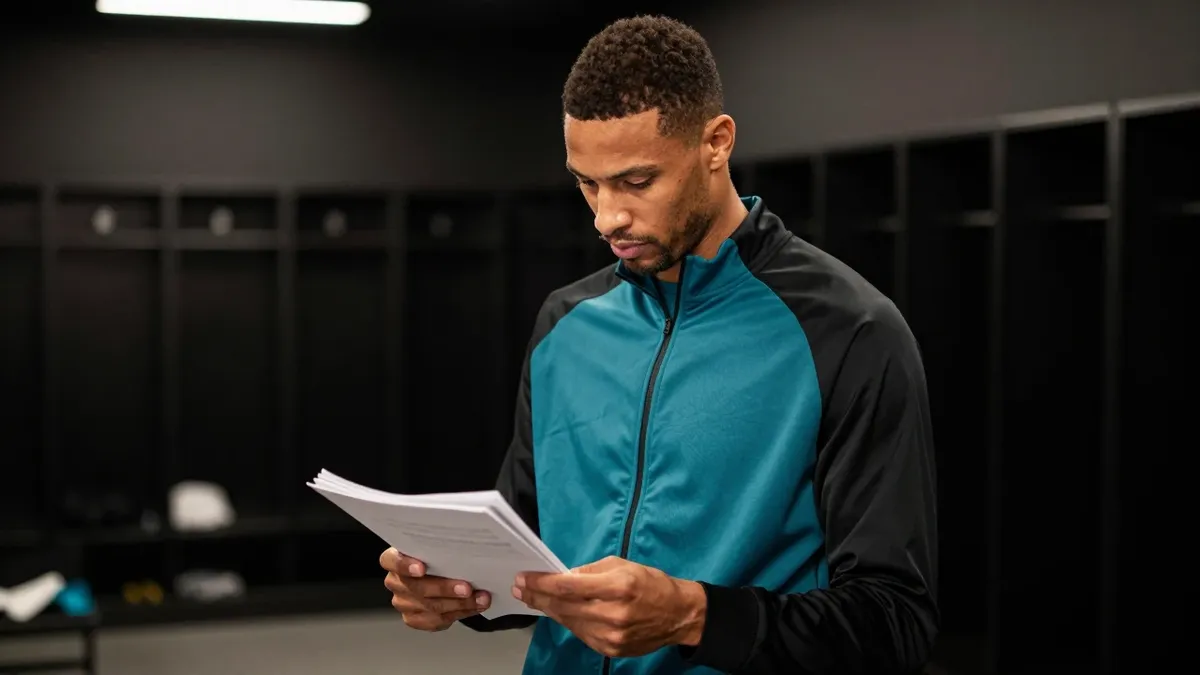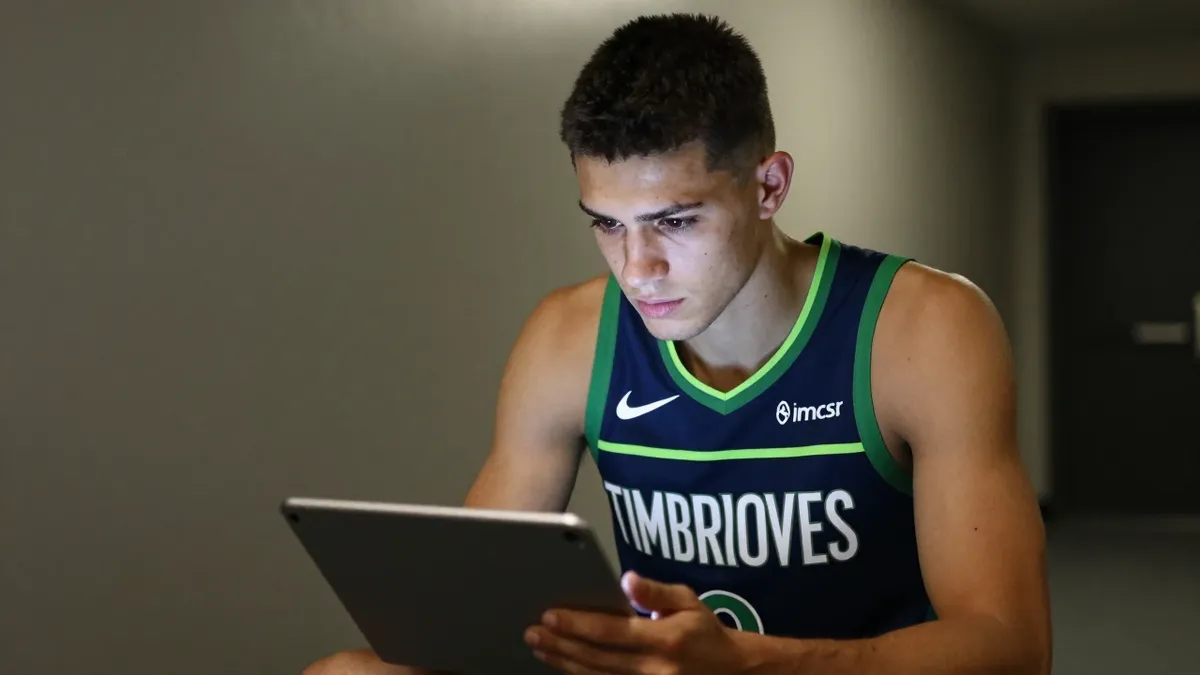
The Minnesota Timberwolves are reshaping their roster for the 2026-27 NBA season, aiming to build on a 49-33 campaign that ended with a second-round playoff loss to the San Antonio Spurs. The offseason has seen significant changes, headlined by the acquisition of All-Star guard LaMelo Ball in a major trade.
The projected starting five features a dynamic new backcourt. LaMelo Ball, acquired in a complex four-team deal, will likely run the point. He'll pair with franchise cornerstone Anthony Edwards, who averaged over 25 points per game last season. The frontcourt is anchored by Karl-Anthony Towns, with Jonathan Kuminga expected to start at power forward after signing a two-year, $13 million contract. Rudy Gobert remains the defensive anchor at center.
Key rotation pieces include veteran forward Trey Lyles, who returns to the NBA after a year with Real Madrid. The bench will need to provide scoring and defensive versatility. The trade for Ball came at a high cost, sending Naz Reid and multiple future draft assets to the Charlotte Hornets. This move signals the Wolves' commitment to contending now.
Minnesota finished sixth in a loaded Western Conference last year. They posted the NBA's 12th-best offense, scoring 116.8 points per 100 possessions. Their defense was even stronger, ranking eighth by allowing just 113.5 points. The playoff run included a notable first-round victory over the Denver Nuggets. However, the second-round series against San Antonio exposed some limitations.
The Wolves lost that series in six games. Relying solely on Anthony Edwards to generate offense proved unsustainable in the postseason. That realization drove the front office to seek a secondary playmaker, leading them to LaMelo Ball.
On paper, the talent is undeniable. A backcourt of Ball and Edwards offers elite creation and shot-making. Karl-Anthony Towns provides floor-spacing and scoring from the center position. Jonathan Kuminga adds athleticism and defensive potential on the wing. Rudy Gobert's rim protection remains a foundation. The potential for a top-five offense and defense exists.
But the West is brutally competitive. Integrating a ball-dominant star like Ball will require adjustment. The loss of depth, particularly Naz Reid's interior scoring, could hurt. The team's playoff performance against elite opponents like San Antonio, who outscored them by 30 points in the finale, raises questions about their ceiling. Success hinges on health, chemistry, and Anthony Edwards taking another step toward MVP candidacy.
The primary concern is how the Ball-Edwards pairing functions. Both players need the ball to be most effective. Head coach Chris Finch must design an offense that maximizes their skills without sacrificing flow. Defensively, the perimeter defense must improve to support Gobert. The bench, now thinner after the trade, needs unexpected contributors to emerge.
Financial flexibility is also limited for the future. The trade sent an unprotected 2033 first-round pick, three pick swaps, and three second-rounders to Charlotte. That's a massive investment in the current core. The Wolves are all-in. The 2026-27 campaign will test whether this bold roster construction was the right move.