The 2003 NBA Draft is often remembered as one of the most loaded drafts in league history, featuring an impressive array of talent including LeBron James, Carmelo Anthony, and Dwyane Wade. For the Minnesota Timberwolves, the draft was a moment of anticipation and missed opportunity, as they sought to bolster their roster after a successful playoff run the previous year.
Entering the draft, the Timberwolves held the 7th overall pick, a spot that had its share of both potential and peril. The team had just finished the 2002-2003 season with a record of 51-31, led by the dynamic duo of Kevin Garnett and Sam Cassell. However, as the draft unfolded, it became evident that the T-Wolves were in a precarious position. With players like LeBron James and Carmelo Anthony off the board, the team had to make a crucial decision on their selection.
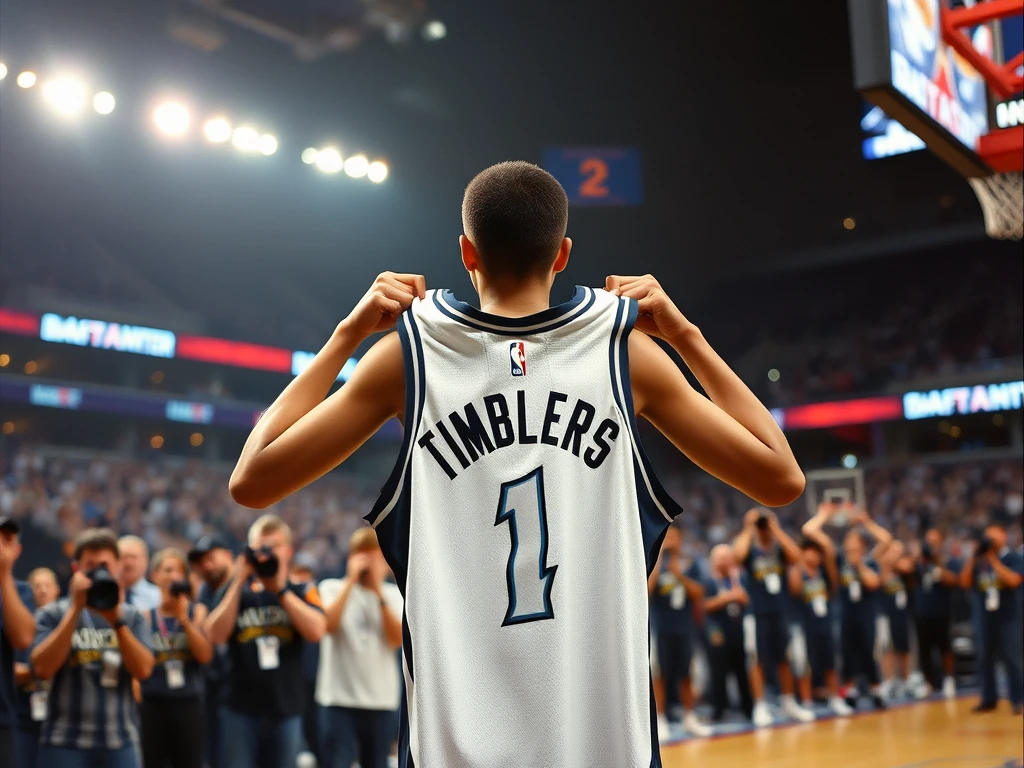
The Timberwolves opted to draft a local product, selecting the University of Minnesota standout, Rick Rickert, with their 7th pick. While Rickert was a promising player with a solid collegiate career, his professional tenure did not pan out as many had hoped. He struggled to find his place in the league, ultimately leading to an underwhelming NBA career. This selection left many fans and analysts questioning whether the team had missed a golden opportunity to draft one of the future stars of the league, such as Dwyane Wade, who was selected 5th by the Miami Heat.
The repercussions of the 2003 draft were felt for years in Minnesota. While Garnett continued to be a dominant force for the Timberwolves, the lack of a strong supplementary piece left the franchise in a state of flux. The opportunity to draft a player who could take the pressure off Garnett and elevate the team’s offensive capabilities was critical, yet it slipped through their fingers. Instead, the Timberwolves would face a series of challenges in the following seasons, ultimately missing the playoffs for the next several years.
The 2003 NBA Draft serves as a reminder of the delicate balance between opportunity and execution in franchise-building. For the Timberwolves, it was a pivotal moment that illustrated the importance of making the right choices at the right time. As fans look back on that draft, they can’t help but wonder how the franchise might have evolved differently had they capitalized on the wealth of talent available that year.
In retrospect, the 2003 draft is not just a footnote in the Timberwolves' history; it is a powerful lesson in the unpredictable nature of the NBA. As the Timberwolves continue to build their roster in the current era, the echoes of past decisions reverberate, reminding the franchise that every draft has the potential to shape their future, for better or worse.